

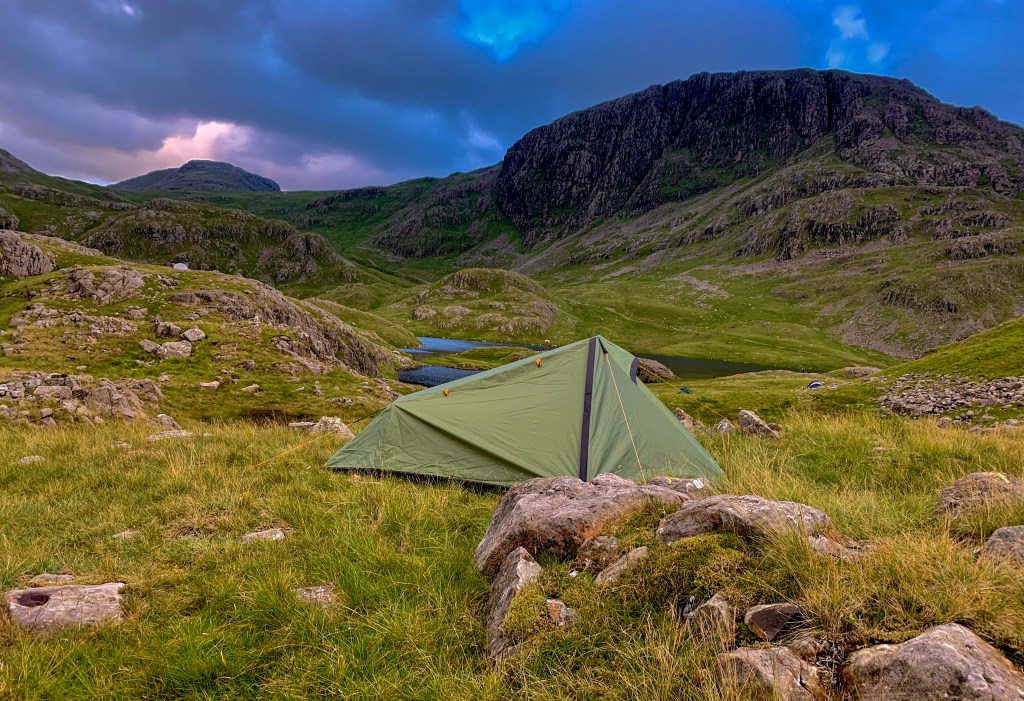
The camping and hiking revolution is in full effect, with thousands taking to the road less travelled to connect with nature. Wild camping in it’s truest form is the best way to connect with the great outdoors, but nonetheless a bit intimidating for first timers. Worry not, we’ve got you covered to be fully prepared for your first wild camping experience
Pack Light – essentials only
Like most we made the same mistakes most people make on their first wild camping experience – taking too much gear. The fear of fending for yourself in the wilderness is daunting and the natural response to take something for every eventuality is obvious, but remember that everything you pack is more to carry. Whether your camping spot is a hefty hike or a gentle stroll from ‘civilisation’ the more weight on your back the less enjoyable the experience.
Our top tip is to simplify everything. Do you really need all that cooking gear, or can you survive with minimal? Is it necessary to bring a complete change of clothes for everyday or can you survive with embracing the wild?
Question every choice and ensuring that there’s a purpose and a reason for it coming along. (Don’t worry, if you’re worried about the list of essentials to pack, with got you here).
Find the Right Spot
The whole point of wild camping is to get off the beaten trail and find a little slice of escapism to call your own for the night. Having said that there’s some points to consider to make sure your night under the stars works for you (and anyone else who might stumble across you).
- Don’t pitch your tent on or next to a public footpath or trail.
- Pitch your tent late and leave early as if you were never there. Arrive and leave during the golden hours (the hour before the sun goes down and the hour the sun rises).
- Find a dry, flat spot for your tent – even the slightest slope can ruin a nights sleep.
- Clear the space for your tent – sleeping on a rock is not only uncomfortable but think of your poor tent.
- Try not to pitch anywhere where you need to move, trample or break anything like branches etc.
Water and Hydration
For us, the single most important factor in the whole hiking/camping equation. Too many times we’ve seen people under prepare their water sources when out. The best advice we can give is aim for around 6 litres of water per day on a warm day when hiking. You’ll be surprised how much you lose during a day regardless of how cool/cold the weather is.
Camelpacks in backpacks are great ways to carry water and drink on the go and can usually hold around 2.5litres. Replenishing water is always tricky, but depending on your route you may come across farms etc that may be obliging to fill up water.
Do not drink untreated water when out and about, but simple water purification kits from outdoors shops can be great to source water from running streams. If you’re unsure about this, remember to filter water from a running source (steer clear of still water like lakes, ponds, tarns or puddles), and boil it when you set up camp.
Let someone know where you’re heading
As we’ve mentioned a few times, the point of wild camping is the escapism but that doesn’t mean you should compromise on safety. Whilst you might want the freedom of being off grid for a night or two, letting people know you’re rough direction of travel can be a crucial way of protecting yourself, particularly if you’re going alone.
Food and cooking
There’s an element of trial and error with your first couple of attempts of wild camp cooking but there’s some things you can get right from the start. We’ve seen all sorts of wonderful and bonkers food ideas on the trial and there’s a few things to remind yourself of before you set off.
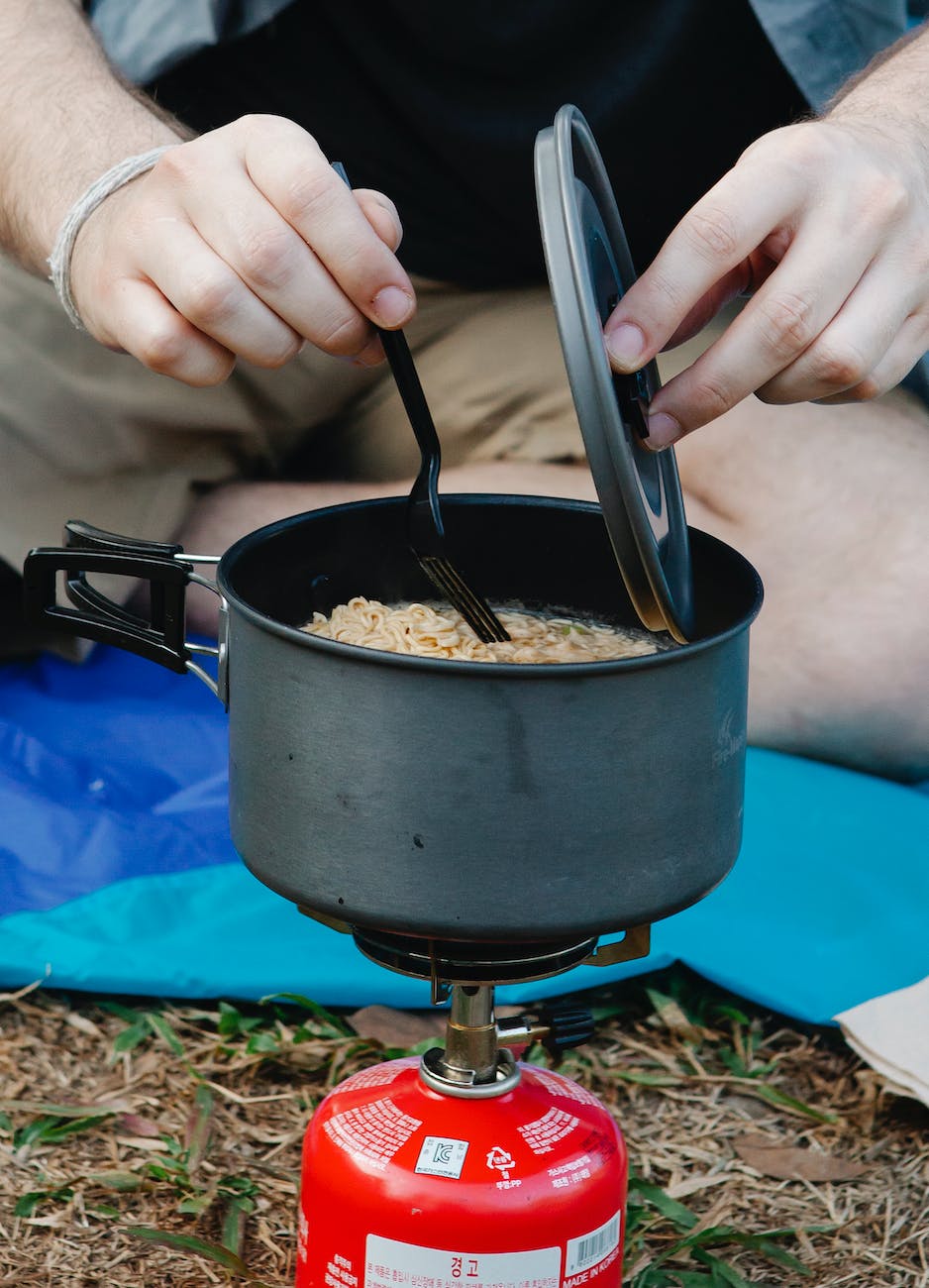
Food that doesn’t need to be kept cool is a must so dried or dehydrated foods are great. From a weight and ease of cooking point of view they are also the simplest, if not always the most delicious and nutritious of meals. You can head to most good outdoor shops and find a range of their cook in a bag meals that do the job just fine also.
Things to consider overall:
- Weight of the food – is it going to add a lot to your bag (tinned goods are no good!)
- Does it need to be kept cool? If the answer is yes then stay away from it unless you want to get ill.
- What type of stove/cooking equipment will you be taking? If you’re going super minimalist with your stove then ensure you’re food prep matches.
- Is it bomb proof? By that we mean will it survive being squished and banged around in your bag on the hike. If the answer is no then you might want to rethink.
Please make sure that you bring gas and a stove to cook. It’s highly irresponsible to build and light a campfire whilst hiking. Not only does it go against the ‘leave no trace’ philosophy of going into the wild, there’s also the risk of starting wildfires.
The other thing to consider is on the trail snacks. Things you can eat on the go that will not only keep your morale up but also act as a good source of energy throughout the day. Again our main consideration with this is, is it bomb proof? Trail mixes, baked goods, energy bars and sweets are our go to – just remember to take your litter with you.
Finally – the toilet situation
Picture the scene. You’re out on the trail. You’ve been guzzling down water all day (like all good adventurers do!), and suddenly you need to go. Whether it’s a ‘fluids or solids’ (for want of a better phrase) when you’ve got to go, you’ve got to go. Here’s a few tips to make it less daunting.
Unfortunately there’s no cheating or short cuts. Simply find a quiet, discreet spot and do your business. If it’s a number 2, dig a small hole, do your business and cover over. Please remember to take any toilet paper with you (doggy bags are great for this)!
We hope this helps little guide helps you on your way to a successful first wild camp. Why not share with us where you’ve been and your experiences!
 Get Outdoor More
Leave a comment